When a sealant repair may fit
A defined exterior joint may be designed to receive sealant and may show localized separation, adhesion loss, or missing material. A proposal should identify that joint, surface preparation, adjacent material condition, and the limits of the repair. Sealant should not be described as a guarantee against water from roofing, flashing, wall, glazing, drainage, or concealed defects outside the joint.
When flashing becomes the question
Water at the head or perimeter may involve flashing, weather-resistive layers, end dams, laps, or transitions that are hidden by stucco, siding, trim, or roofing. Surface appearance cannot confirm concealed sequence. The scope should explain what evidence points to flashing, which materials must be removed for access, and whether a qualified design or manufacturer-specific review is required.
When opening work is responsible
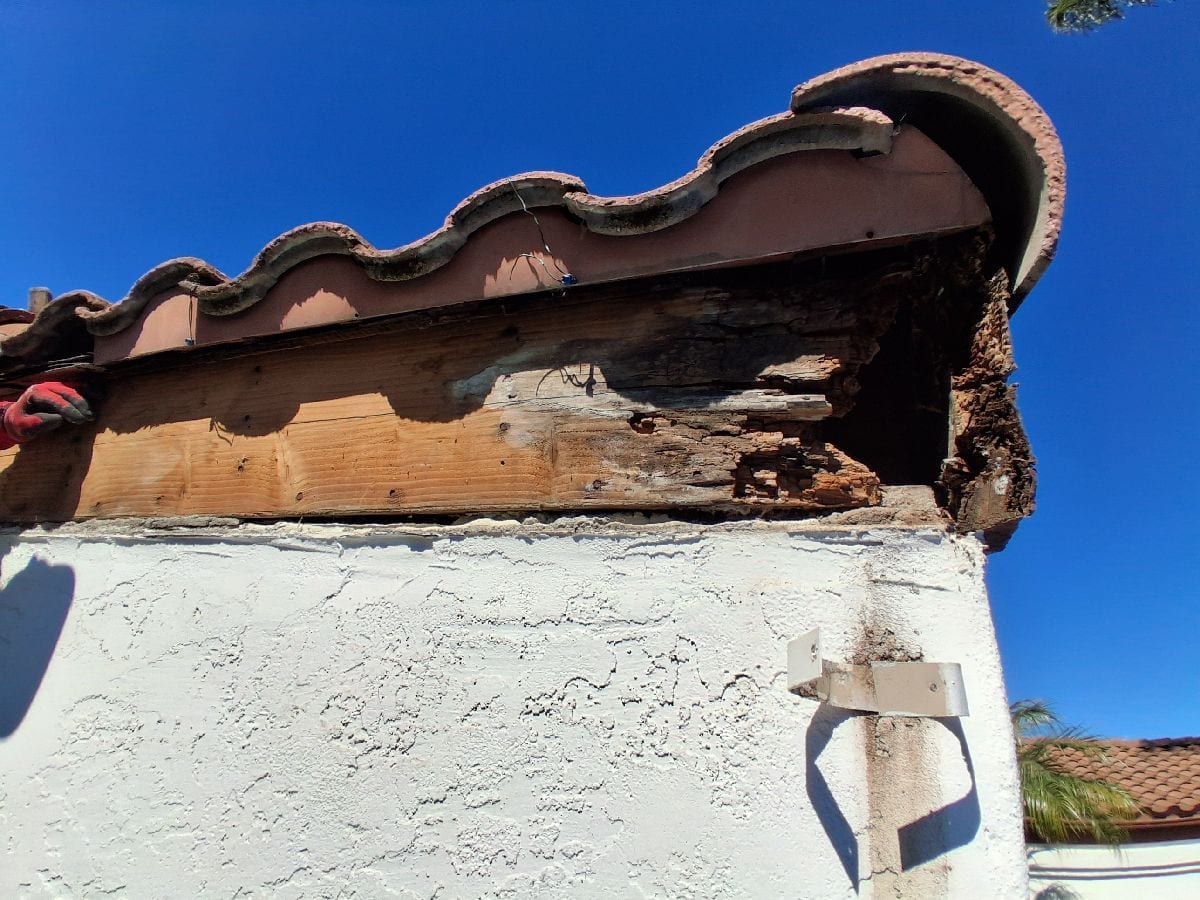
Repeated leakage, conflicting evidence, failed surface patches, concealed wall paths, or finish damage may justify a controlled opening before final pricing. The opening should have a defined purpose and boundary. Include containment, temporary weather protection, documentation, and a hold point for owner direction if the condition extends beyond the initial area.
Avoid blocking intended drainage
Some assemblies rely on drainage gaps, weeps, or paths that should not be sealed indiscriminately. Before filling an opening, identify whether it is a failed joint or a functional drainage feature. This is property-specific and may require access to product or assembly information. A surface bead can redirect water into the wall if it blocks the intended exit.
Compare complete scope consequences
A sealant repair may disturb little finish but address a narrower condition. Flashing repair can require broader exterior removal and patch-back. Opening work adds investigation and may change the final scope. Compare protection, access, interior restoration, exterior texture and paint, resident impacts, and concealed-condition procedures—not just the first line-item price.
Write the assumption and limitation
Every proposed path should say what observed condition supports it, what is included, and what remains unverified. If the repair is a targeted attempt based on incomplete access, say so plainly. The owner can then choose between limited work and a broader evaluation without mistaking one surface treatment for proof that the complete leak path was corrected.
Ask how success will be evaluated
The proposal should identify what completed work can be inspected or documented and which uncertainties remain weather-dependent. Photographs can confirm preparation and covered details visible during work. A dry interior immediately after completion does not establish performance in every future storm. Avoid invented water-test protocols; any controlled testing should have an agreed method, responsible party, protection plan, and stated limits.
Choose sealant, flashing work, or opening work by the function of the assembly and available evidence, not by which material is easiest to reach.
Continue planning
Stucco and Window Leak Transition Repair
Plan investigation, opening, flashing, lath, stucco, sealant, and finish work where a window meets a stucco wall.
Read the guideOpening Walls to Investigate Window Leaks
Plan controlled interior or exterior removal, documentation, weather protection, and written decisions for concealed leak paths.
Read the guideWindow Leak Repair Scope and Proposal Checklist
Compare window-leak proposals by evidence, investigation limits, exterior interfaces, interior restoration, access, and concealed-condition decisions.
Read the guide