Record the first visible point
During or soon after the event, photograph the first damp edge, bead of water, stain, or finish change you can see. Include a wider view showing the entire window and wall. Mark whether the symptom began at the head, upper corner, jamb, sill, wall below, or adjacent ceiling. Water may later spread, so the first observation can be more useful than a large dry stain days afterward.
Describe the weather pattern
Note whether the event involved wind-driven rain, long steady rain, a short heavy burst, or water that appeared after rain stopped. Record the side of the building and wind direction only if known; do not guess. Compare whether irrigation, plumbing use, or roof drainage occurred at the same time. Timing narrows questions but does not establish a source by itself.
Photograph the outside in context
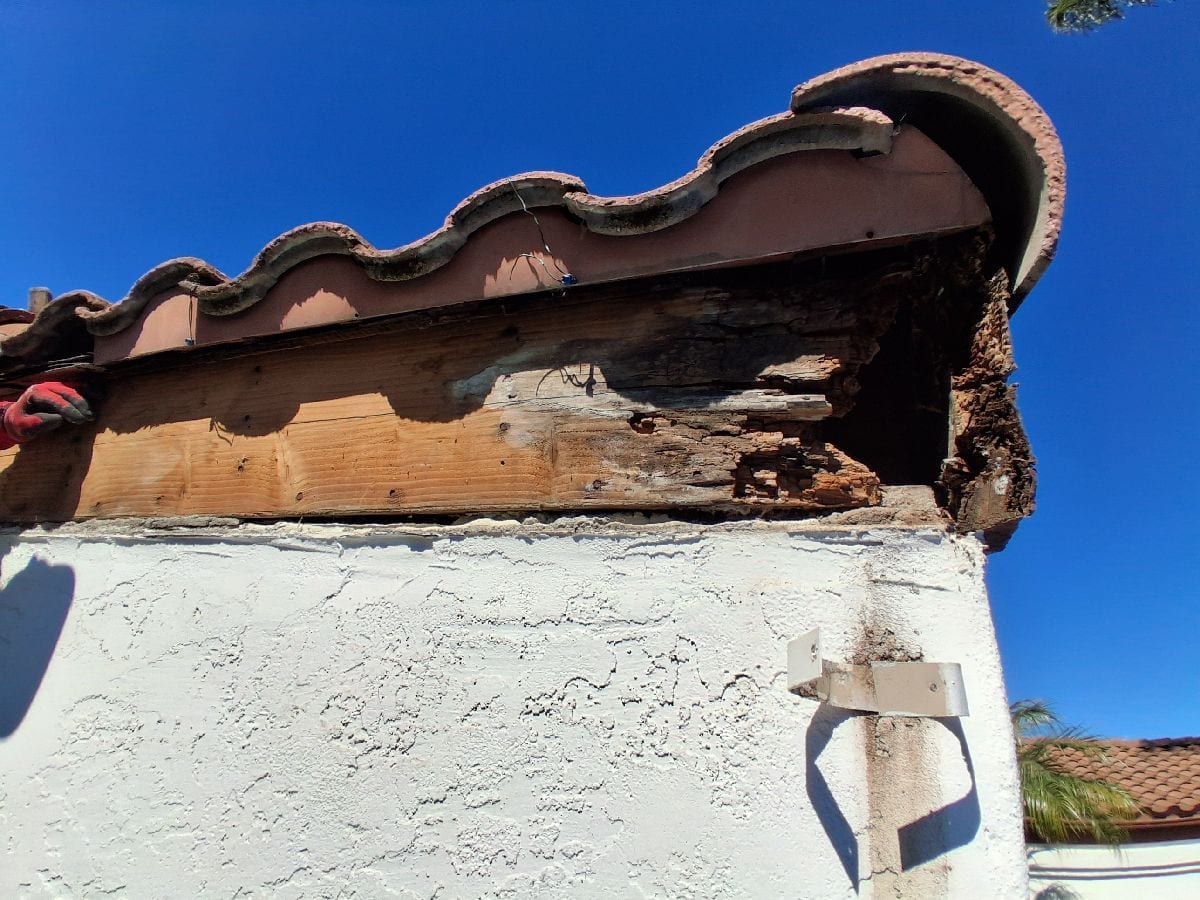
From a safe accessible location, capture the opening and the wall above, both sides, and below. Include roof edges, gutters, decks, penetrations, cracks, trim, sealant joints, and staining where visible. A close photograph of one failed joint can overemphasize that clue. An elevation view helps the reviewer understand other routes water could take before reaching the interior.
Preserve prior repair information
Gather invoices, proposals, photographs, and dates for caulking, window replacement, stucco work, roofing, gutter work, plumbing, or interior patching. State what the prior contractor said without presenting it as a current verified cause. If a repair changed the location, frequency, or intensity of the symptom, document that difference. It may show which path was affected and which question remains.
Protect finishes without hiding evidence
Move belongings, protect surfaces, and manage active water using safe temporary measures appropriate to the property. Avoid coating or sealing the suspected joint before it is photographed and reviewed because that can obscure evidence. If electrical, ceiling, stability, or significant active-water concerns are present, use the property’s appropriate safety and emergency process rather than relying on a website guide.
Send authorization and access details
For occupied rentals, the resident should provide availability, pets, gates, parking, and the exact interior symptom location. The owner or authorized manager should provide approval and project direction. Keep these roles separate. Include a direct contact for each, but do not circulate resident details beyond the people who need them for access and protection planning.
Create a repeatable event log
For recurring leaks, use the same room view and exterior elevation view each event. Record date, approximate start and stop, general rain and wind pattern, first wet location, and any property activity such as irrigation or plumbing use. A consistent log makes changes easier to compare. It does not replace site evaluation, but it is stronger evidence than a collection of unlabeled close-ups.
Capture the first wet point, the full exterior context, and the weather pattern before the evidence dries or is covered.
Continue planning
Interior Stains Around Windows: Possible Paths
Understand why drywall and paint damage near a window does not by itself identify the exterior entry point.
Read the guideWhen Water Above a Window May Start at the Roof Edge
Trace relationships among gutters, fascia, flashing, roof edges, walls, and openings without assuming one visible defect is the only source.
Read the guide